


An eb5 investment to the usa has become significantly more transparent and secure since the enactment of the Reform and Integrity Act (RIA). However, with a minimum investment of $800,000, this remains a major decision requiring absolute caution. Many investors, in their eagerness to obtain a green card, make unnecessary mistakes that lead to the risk of losing capital or having their immigration petitions denied. Below are the 5 most common mistakes you need to avoid to ensure a smooth residency roadmap for your family in 2026.
Mục lục
This is a systemic mistake that many new investors often encounter. According to the immutable regulations of the U.S. Citizenship and Immigration Services (USCIS), EB-5 investment capital must remain "at-risk" throughout the investment period.
• Legal risk: Any project or consulting unit that provides a written "100% guaranteed capital return" or "guaranteed green card" is violating USCIS regulations. If authorities discover these side agreements, your I-526E petition could be rejected immediately.
• Advice: Instead of seeking illegal written "guarantees," evaluate safety through the developer's financial capacity, the reputation of the Regional Center, and the project's business feasibility. A good project is one with a transparent business plan, not one that promises the impossible.
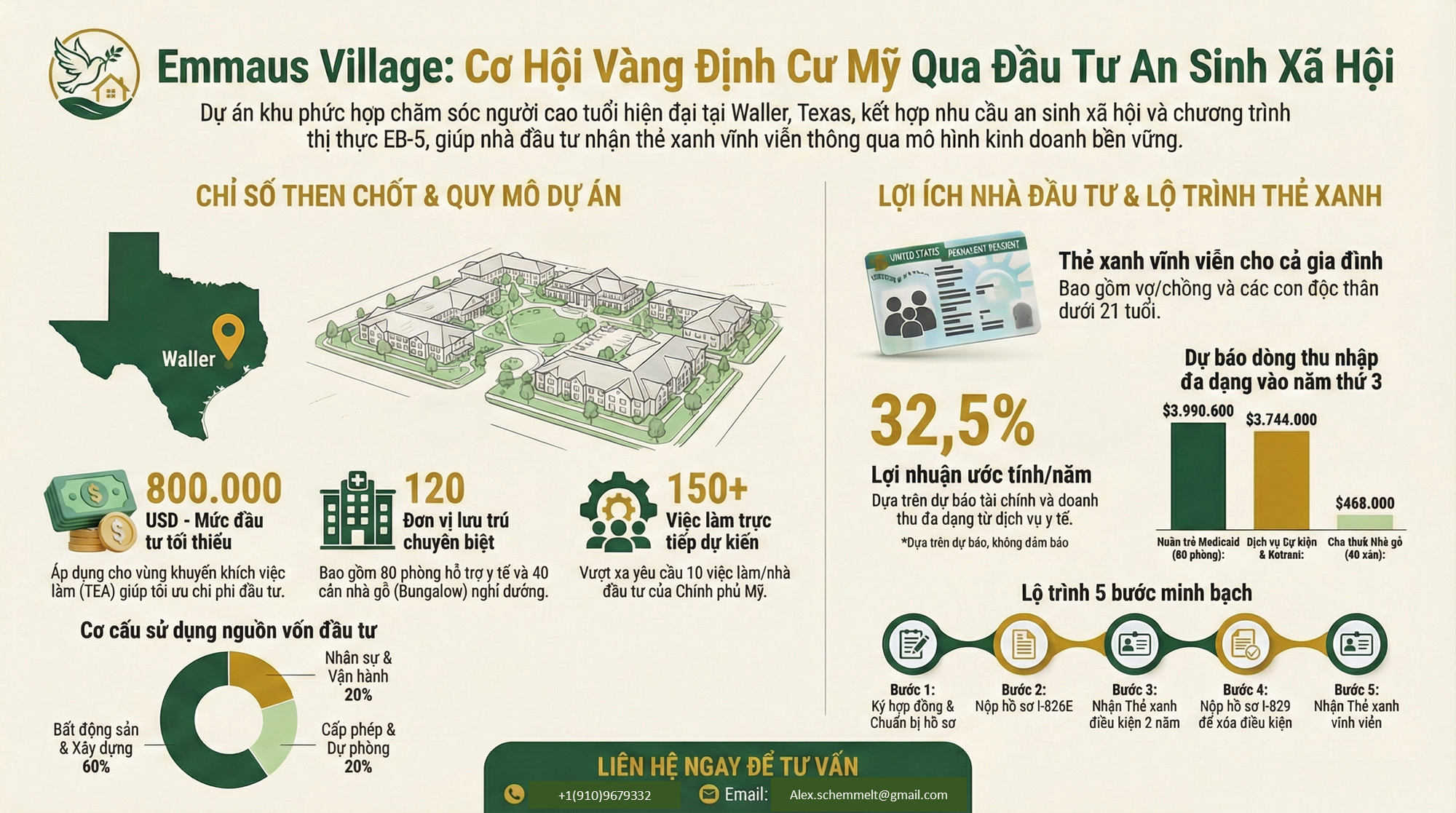
Following the RIA law, the EB-5 process changed its approval sequence. Before an individual files Form I-526E, the project must file Form I-956F to seek approval as a valid investment project.
• Common mistake: Investors commit capital to projects that only exist on paper or have not yet received an I-956F filing receipt from USCIS.
• 2026 update: Choosing a project that has already received I-956F approval (or at least has a receipt number) minimizes the risk of individual application delays. In 2026, USCIS prioritizes the processing of I-526E petitions linked to projects that already have this technical approval. Being impatient and taking shortcuts with projects that lack sufficient legal standing will only result in much longer waiting times.
Errors in proving the source of funds are the leading reason investors receive a Request for Evidence (RFE) or face a petition denial.
• The mistake: Many focus only on gathering enough investment money while forgetting to explain the history of how that money was formed. Common errors include using unofficial money transfer services (unlicensed) or failing to explain income earned 5–10 years ago.
• 2026 requirements: USCIS now requires an extremely detailed Path of Funds. You must prove how money from the source (salary, house sale, gift) flowed into a personal account and was then transferred to the project account. Every "gap" in the cash flow is a legal trap that makes the petition suspicious.
The ultimate goal of the EB-5 program is to create at least 10 full-time jobs for American workers for every investor. This is a prerequisite for being granted a permanent green card (Form I-829).
• The mistake: Selecting a project where the expected number of jobs barely matches the number of investors. If the project fails to reach its planned scale of construction or operation, some investors will not have enough jobs allocated to them, leading to the denial of the permanent green card.
• Safety standard: Immigration experts recommend choosing projects with a job safety margin (buffer) of 20% or more. For example, a project mobilizing 10 investors (needing 100 jobs) should have an economic report proving the ability to create at least 120 jobs.
Many investors with strong business backgrounds evaluate an EB-5 project as a typical commercial investment and seek attractive interest rates (5–7% per year).
• The reality: EB-5 is a residency investment. Safe EB-5 projects usually offer quite low interest rates to investors (typically under 1–2%), as capital costs are prioritized to cover legal procedures, insurance, and transparent fund management.
• The risk: Projects promising high interest rates are often those that struggle to secure bank loans or have high business risks. Remember that your highest goals are the Green Card and Capital Preservation, not interest profits.

To avoid the above mistakes, investors need a dedicated consulting unit and an independent U.S. immigration lawyer to appraise the records. In the context of 2026, utilizing Rural projects with priority processing is the most optimal roadmap to ensure safety while shortening the time to receive green cards for the entire family.
EMMAUS VILLAGE
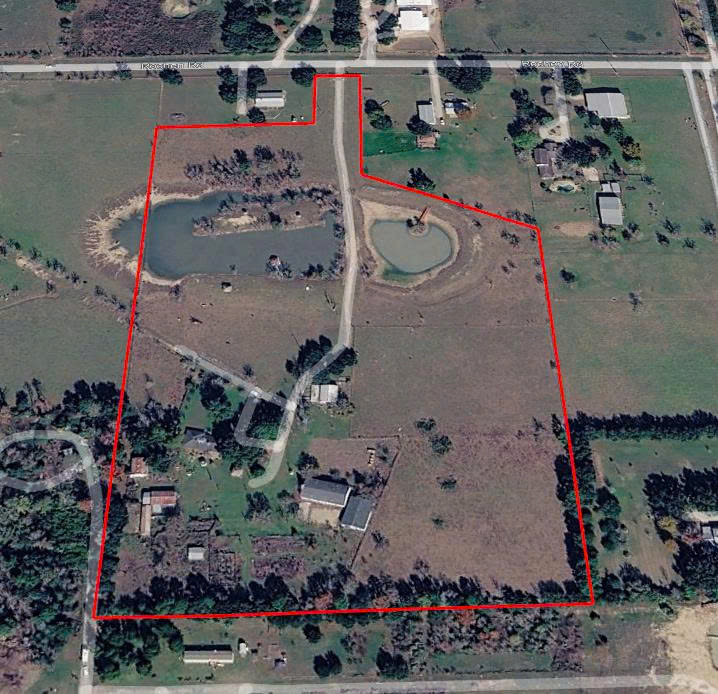
Address: 31831 Rochen Road Waller, Texas
Mr. Alexander Schemmel – Project Manager
Hotline: +1(910) 9679332
Email: alex.schemmalt@gmail.com
Mr. Khai – Vietnam Customer Support
Hotline: 0945255525
Email: john.emmausvillage@gmail.com
Website: emmausvillage.net