


In the context of U.S. immigration in 2026, choosing between a rural area project and a high unemployment area (HUA) project is the most critical strategic decision for every investor. Although both options allow for a minimum investment of $800,000 under the Targeted Employment Area (TEA) designation, the differences in processing speeds and capital security will directly determine the success of your green card roadmap.
Mục lục
Since the implementation of the RIA 2022 Act, rural areas have become the "priority lane" for investors seeking rapid settlement. The latest updates from USCIS in 2026 further confirm the unique position of this category through specific legal privileges:
– Priority processing: This is the most significant advantage that sets rural projects apart from other investment types. While standard applications may take 2 to 3 years of waiting, I-526E petitions in rural areas are currently being reviewed in record time, often between 6 and 12 months.
– Abundant visa quotas: The U.S. government reserves 20% of the total annual EB-5 visa supply specifically for rural area projects. This figure is double the 10% reserved for high unemployment areas. This helps investors avoid backlogs, which is particularly vital for families with children approaching the age of 21—the age at which they can no longer be included in their parents' application.
– Opportunities for investors from high-demand countries: With a dedicated visa set-aside, rural projects help investors bypass lengthy waits on the Visa Bulletin, ensuring the green card process remains smooth and on schedule.
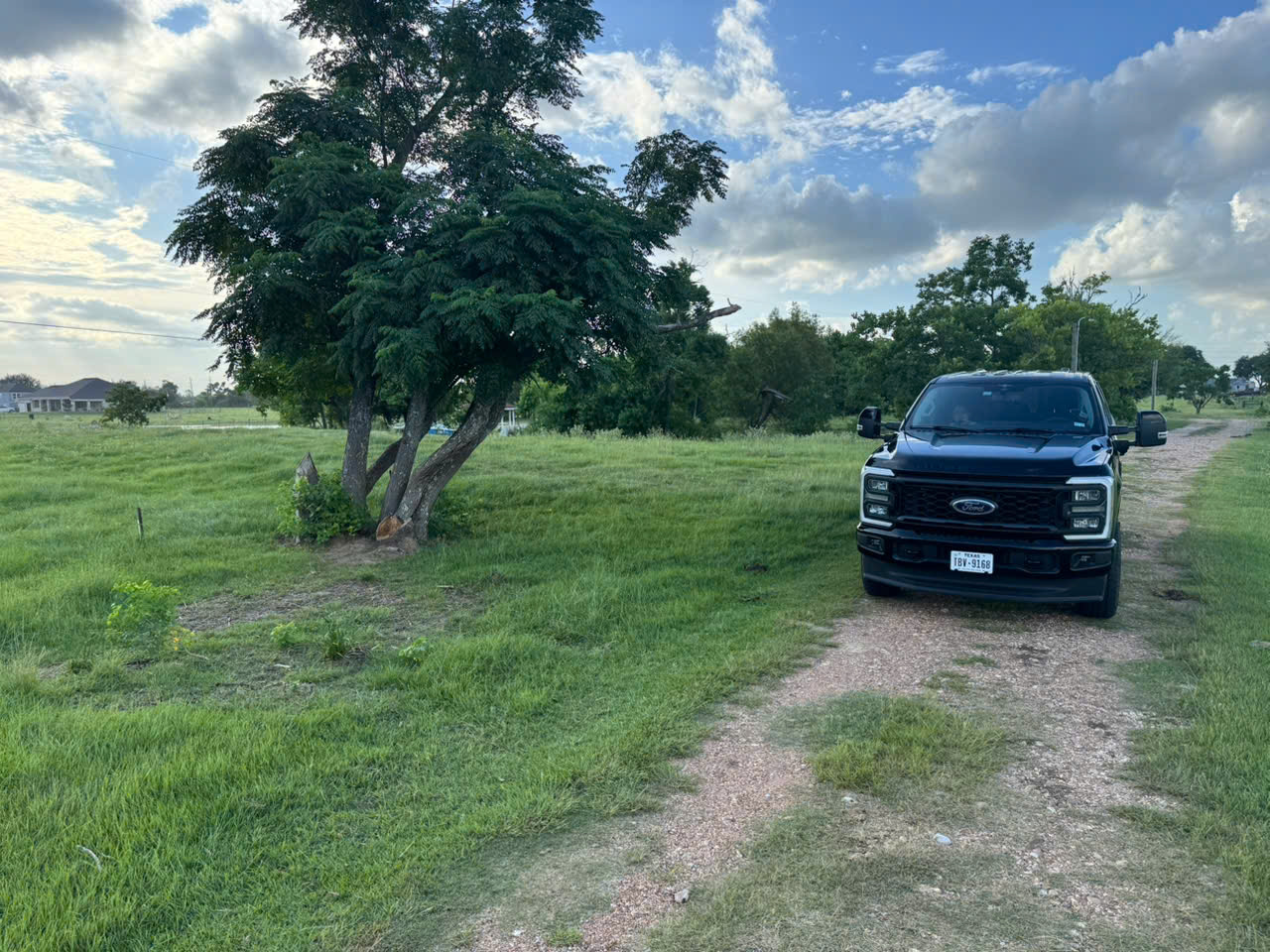
In contrast to the rapid processing of rural areas, high unemployment area (HUA) projects attract investors through stability and high capital preservation potential. These projects are typically located in urban or suburban areas of major cities where the economic infrastructure is developed, but the unemployment rate exceeds 150% of the national average.
– Strategic geographic locations: HUA projects are often high-rise buildings, luxury hotels, or commercial complexes in developed states such as New York, Texas, or Florida. Due to their prime locations, these projects possess high liquidity and easily attract customers and business partners, ensuring a stable cash flow to return capital to investors after five years.
– Solid job creation capacity: A core requirement of the EB-5 program is the creation of at least 10 full-time jobs for U.S. workers. In urban areas with high unemployment, recruiting and maintaining large-scale business operations is often more feasible than in remote rural areas. This provides investors with greater peace of mind when transitioning from a 2-year conditional green card to a permanent one (Form I-829).
– Experienced developers: The majority of projects in urban areas are operated by reputable real estate development corporations with a successful track record of raising EB-5 capital across various legal phases.
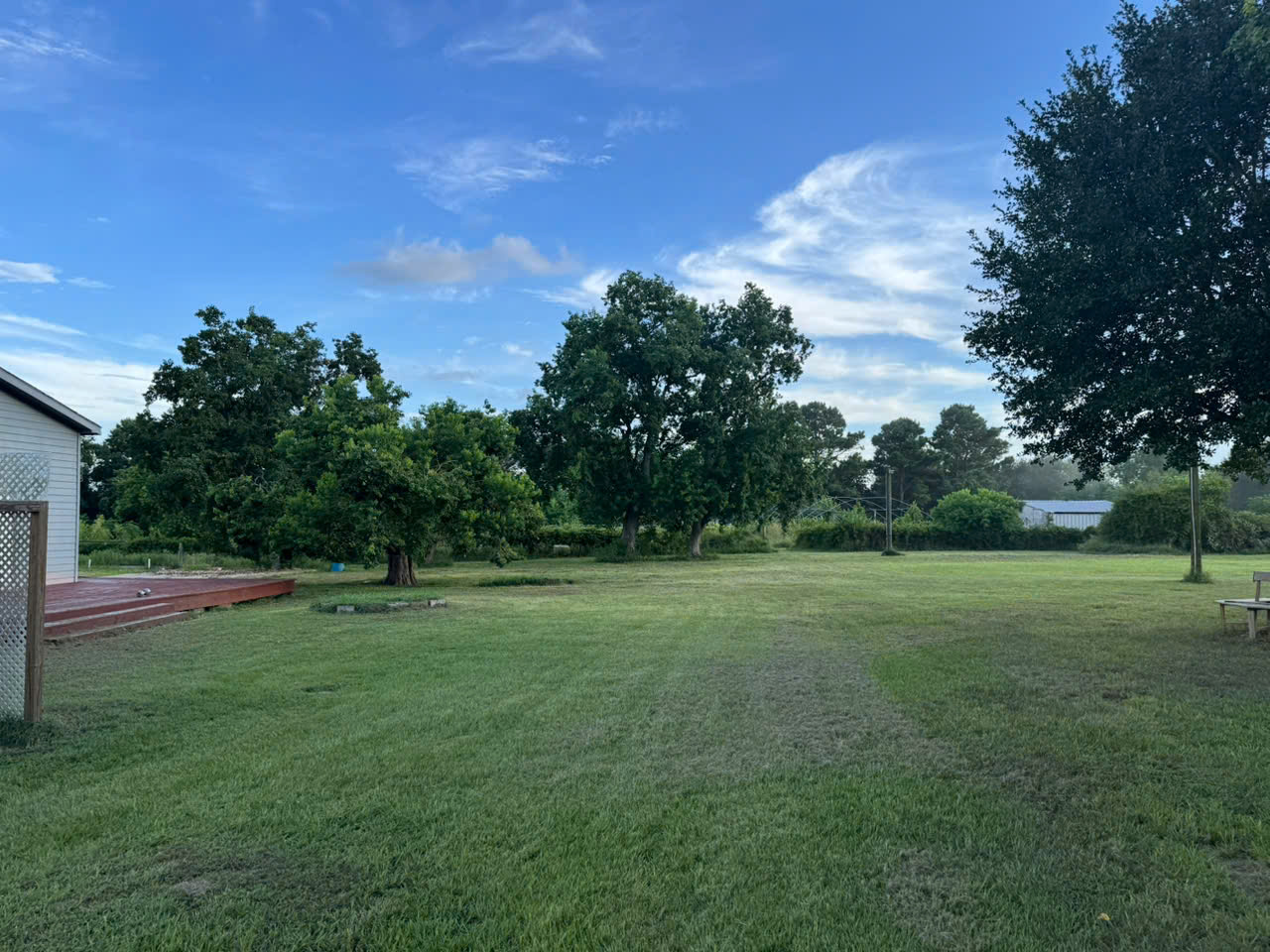
In summary, if your family prioritizes speed so that your children can enjoy educational benefits early, the rural area option is indispensable. Conversely, if you are more concerned with the absolute security of your $800,000 capital and business transparency within major metropolitan areas, a high unemployment area (HUA) will be the more suitable choice.
EMMAUS VILLAGE
Address: 31831 Rochen Road Waller, Texas
Mr. Alexander Schemmel – Project Manager
Hotline: +1(910) 9679332
Email: alex.schemmalt@gmail.com
Mr. Khai – Vietnam Customer Support
Hotline: 0945255525
Email: john.emmausvillage@gmail.com
Website: emmausvillage.net